
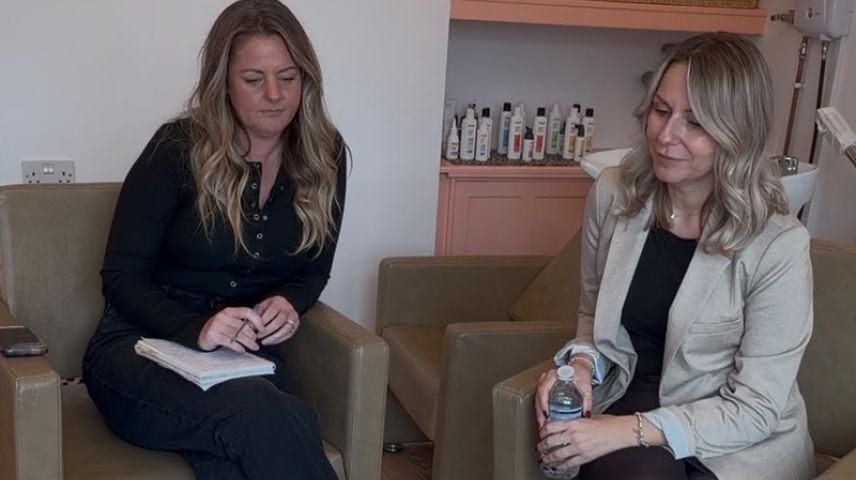




Winter haircare tips with textured hair specialist, Chris Grimley…

Textured Afro hair often struggles in the cold weather, as low temperatures and indoor heating strip moisture faster than natural scalp oils can travel down the coiled hair shaft. This causes strands to become dry, brittle and rough to touch – it can feel like an uphill battle trying to bring your hair back from the brink. If you have noticed your curls feeling rougher, your ends seeming extra thirsty or it is becoming super hard to detangle, the cold can be to blame!
Winter hair means lower humidity resulting in less moisture. Mix this with cold winds, friction from hats and scarfs, and indoor heating, this combination will leave your curls prone to dryness, leaving them looking dull and in need of some TLC.
One of the best ways to keep Afro hair healthy during the colder months is to focus on moisture and layering. Start with a water-based leave-in conditioner or hydrating mist before adding oils or creams. This helps to add a protective barrier around the hair and locks hydration inside the strand before it evaporates. If oil is applied first, it can block the water from getting in later, leaving the inner strand parched. Trading lightweight products for heavier, richer products that include shea butters, castor oil or avocado oil help lock in hydration longer. Hair masks are a great example of this, by incorporating a hydrating or strengthening hair mask into your routine you can restore elasticity and fight brittleness.
Wool and cotton beanies or scarves are another factor to consider when it comes to Afro hair in the winter. They absorb natural oils, causing friction that leads to breakage. Tuck the ends of your hair away – twists, cornrows or knotless braids are a great option to keep hair safe from harsh winds and winter coats. Swapping your pillowcase to satin or silk or wearing a satin bonnet at night will also help preserve moisture when you sleep.
Adjusting your wash and styling routine will also have a significant impact on Afro and Textured hair during the winter months. Spacing out wash days slightly more than in the summer and always using a gentle, sulphate-free shampoo will help avoid stripping natural oils that lock in moisture during the colder months. Make sure your hair is 100% dry before stepping out into the freezing weather – wet or damp hair can freeze, swell and snap. Finally, scheduling light trims every 6 to 8 weeks to get rid of weak, split ends before they travel up the strand and snap.