
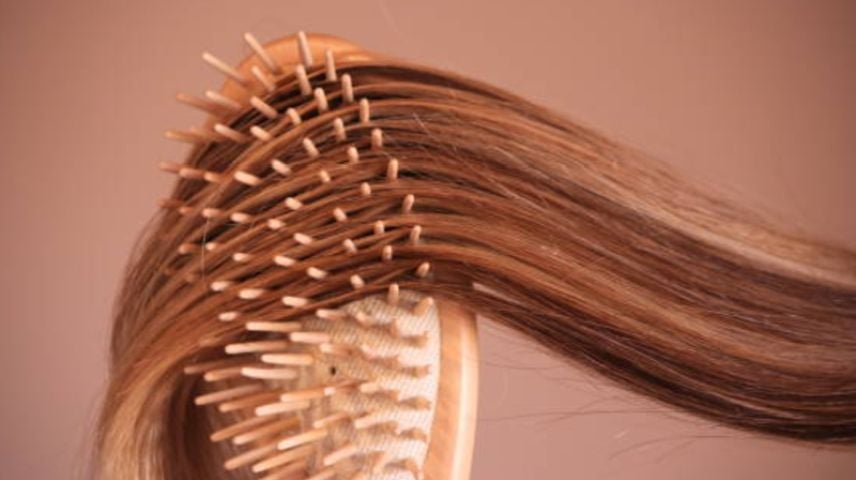




The media love to talk about seasonal hair loss, but according to trichologist Anneliese Hesse from Humankind Hair, it’s not as big a deal as it’s made out to be.

“It is a thing, but needs to be understood properly,” she explains.
Our hair grows in stages or ‘cycles’; Anagen, Catagen and Telogen:
- Anagen is the growth phase, when hair is actively growing from the root. The duration of this phase varies from person to person but is usually between 2-6 years. So, your hair could grow just past shoulder length and stop or continue way down your back. Much of this is genetic.
- Catagen. This comes after anagen and is a short transitional phase, lasting just a few weeks, and leading to Telogen.
- Telogen is the resting phase when hair remains in the follicle but isn’t growing. This lasts around three months, after which the hair falls out naturally, making space for a new growth phase to begin again.
“Clearly, if hair loss truly were seasonal, then we’d never be able to grow our hair longer than a few inches, as it would be falling out with each triggering season!” she says. “However, it is possible for the change in seasons to prematurely push some hairs into the telogen phase, cutting short their growth phase. This is usually down to three things: Vitamin D, blood circulation and mood/hormonal fluctuations,” Anneliese explains.
Vitamin D
During the winter, less sunlight means less natural exposure to Vitamin D for many people. Vitamin D is important for hair growth, so dropping levels can cause hairs to exit the anagen phase early. Taking a Vitamin D supplement daily can help with this.
Blood circulation
During the hotter months, our blood circulates slightly faster than in the cooler ones. Higher blood circulation means more blood is pumped to the hair follicles, effectively giving them more ‘food’ to grow. This often results in slightly faster hair growth during the summer, and slower in the winter. Lower circulation means lower energy levels for your hair as well as your body, but this can be easily managed by eating a nutritious diet and doing plenty of exercise.
Mood and hormones
If you’re someone who gets a bit down in the winter, your stress levels may increase and with this, your cortisol levels. High levels of cortisol can drive hairs into the telogen phase prematurely, causing excess shedding to occur three months later. It’s hard to advise on how to avoid this as everyone is so different, but my advice would be to do the things that make you feel happy, and remember, this is a passing phase.
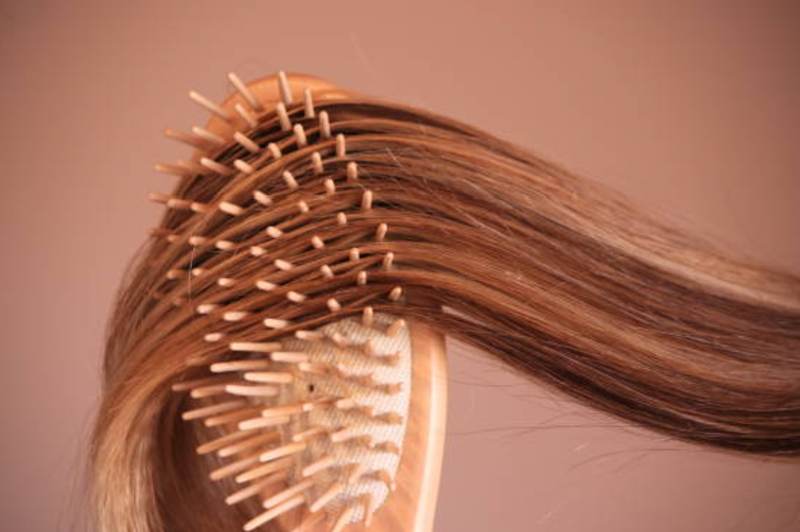
When any of these things occur, the type of hair loss you might experience could be Telogen Effluvium - diffuse hair loss across the entire scalp (as opposed to the 'bald patches' of Alopecia Areata). More hair might come out when washing or brushing hair, although it's important to note that the washing and brushing are not the cause. This type of hair loss is temporary and usually grows back by itself soon after. However, it's possible for it to last longer if the actual cause can't be identified and rectified.
If you or a client experiences more hair shedding than normal, the most important thing is to find out why it’s happening. Although it may be linked to 'seasonal shedding', any of these triggering factors can occur at any time, so are not truly ‘seasonal’. There are also loads of other causes of shedding and hair loss, and the key to treating them is always to find out the cause and treat that. To do this, I recommend speaking to a certified trichologist as a first port of call.
For more information follow @humankindhair and @anneliese_hesse.