

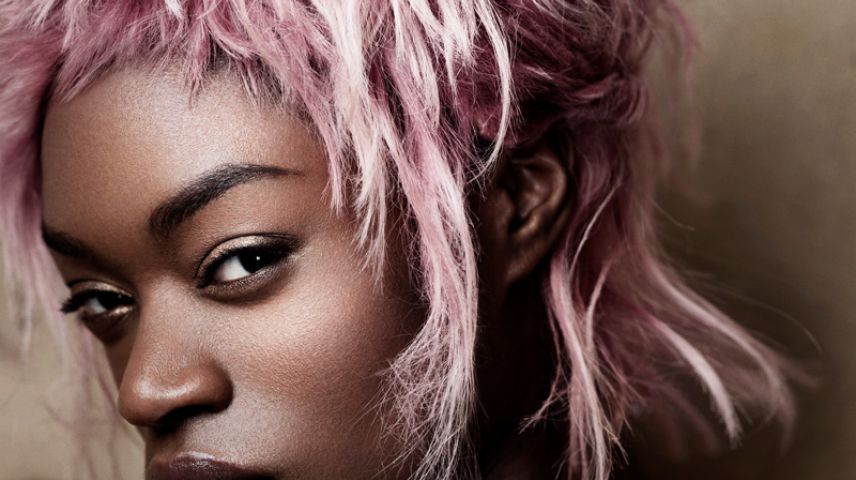
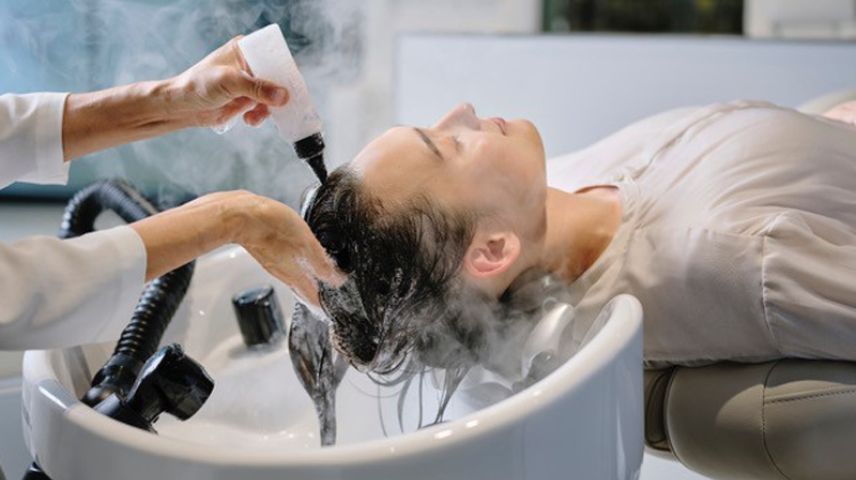


Scalp bleaching is a long, detailed and technically advanced colour service, and while many hairdressers are intimidated by the service, it can be one of the most rewarding techniques you offer.

“Essentially, it's the process of lightening the hair directly from the root, applying bleach onto the scalp to create an all-over blonde result. What makes it particularly challenging is that you're working with both the hair and scalp simultaneously, with so many variables to consider,” explains Katie Knox, Co-Founder of Butchers Salon in London, Chester and Leicester.
“Working predominantly in East London, it's always been a popular service for us. East London is such a creative, expressive place, and people aren't afraid to experiment with their hair.
“Scalp bleaching is one of my favourite services, and it's something I'm really passionate about teaching. I know how intimidating it can feel for colourists, but I genuinely believe that confidence comes from understanding what you're doing and why. That's what inspired me to develop my scalp bleach education. I wanted to take a service that can feel complicated and overwhelming and break it down into something that feels approachable, exciting and achievable.
“For me, great colour work is a combination of science, creativity and care. When you understand the process, you can stop second-guessing yourself, trust your knowledge and really enjoy the creative possibilities that scalp bleaching offers.”
Here’s Katie’s top tips when working with scalp bleach:
- Precision and saturation are everything. Beautiful, even colour starts with a great application. Work with fine, clean sections and make sure the hair is thoroughly saturated. When working on regrowth, place your bleach rather than sweeping it through the hair. I like to use a gentle dabbing motion, which gives you much more control and helps prevent overlapping onto previously lightened hair.
- Keep your sections clean and separated. I love using Paper Not Foil strips to separate my sections instead of traditional cotton wool. They're much thinner, reusable and don't leave little bits stuck in the hair. It's a simple switch that helps prevent unwanted product transfer and makes the application neater and easier to manage.
- Watch the hair, not the clock. Scalp heat, natural base, previous colour and hair condition all influence how quickly the hair processes. Keep checking the lift, monitoring elasticity and communicating with your guest throughout.
- Don't be afraid to adjust your approach as you go, and most importantly, know when to stop. The condition of the hair and scalp should always come before achieving a particular shade.
- A full head of highlights isn’t always better for the hair. One of the biggest misconceptions is that a full head of highlights is less damaging than a scalp bleach. When highlighting hair, it's virtually impossible to pick out exactly the same strands that were lightened previously. Whereas with scalp bleaching, you have much more control over where the bleach is applied. Of course, both techniques require skill and care, but scalp bleaching isn't necessarily the more damaging option when carried out correctly.
- Scalp bleach doesn’t always mean platinum blonde. Scalp bleaching is simply a technique used to lighten the hair from root to tip, creating a blank canvas for creativity. The possibilities are endless, from soft, natural blondes and delicate pastels to bold, vibrant colours across the entire rainbow. It's all about understanding how much lift you need to achieve your desired result. Scalp bleaching isn't necessarily about going blonde; it's about creating the perfect foundation for whatever colour you want to achieve.
- Consultation and communication are everything. I believe many of the issues surrounding scalp bleaching stem from a lack of communication. A great consultation goes far beyond discussing the desired colour. It's about understanding your guest's hair history, assessing what's realistically achievable and setting clear expectations from the beginning.
- Understand the different scalp bleach services. Not all scalp bleaches are the same. I distinguish between virgin applications, root bleach, root bleach plus and what I call an extended root bleach plus, each requiring a different technique and approach. Understanding how regrowth behaves, the influence of scalp heat and the challenges of working where natural regrowth meets previously lightened hair is essential. As regrowth gets longer, the application becomes more complex and the risk of overlapping onto previously bleached hair increases.
- Learn to observe, not just follow a formula. Scalp bleaching isn't a service where you apply your product, set a timer and walk away. There are so many variables at play, and learning to recognise and respond to them is what builds confidence. You need to continually assess the lift, monitor the hair's elasticity and check in with your guest's comfort throughout the service. Sometimes that means adjusting your approach, and sometimes it means knowing when to stop.
For more information visit butcherssalon.com.