
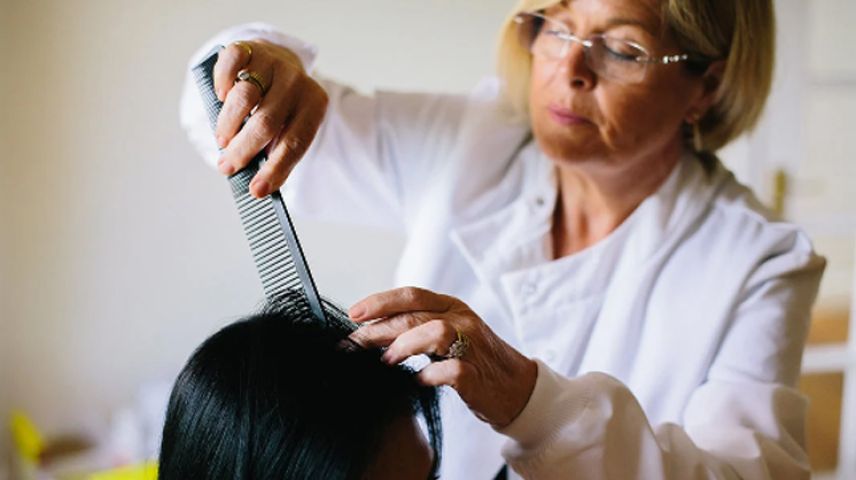
It's normal to lose hair. We can lose between 50 and 150 hairs a day, often without noticing. But if you notice your hair shedding more than normal, don’t panic, as there are many factors that can impact how much hair you shed a day.
Hair shedding is all part of its natural cycle. Each strand of hair is in one of three phases of growth at any time. It is completely normal to lose anywhere between 50-150 hairs a day, but this does depend on how much hair you have to begin with.
The hair growth cycle…
Phase 1: the Anagen active growth phase that lasts 2-6 years. This is the phase where your hair grows about 1cm every 28 days. Typically, 89-91% of your hairs are in this phase at any time.
Phase 2: the Catagen transitional growth phase that lasts about two weeks. In the catagen phase growth stops and the outer root shrinks, attaching to the hair root. About 3% of hairs are in this phase at any time.
Phase 3: the Telogen phase, which usually sets in toward the end of summer and beginning of autumn. In Telogen, the hair is resting rather than growing, and so shedding will become more noticeable. This stage lasts about 100 days, and it is normal to shed 50-150 hairs a day.
Ways to help lesson hair shedding…
Eating right and getting enough sleep can positively impact your hair’s cycle and health. But there are other factors at play too:
Stress and Sleep
We all know the effect that stress can have on our body, and our hair is no exception. Often, individuals who go through extremely stressful periods will also experience some form of hair loss. When we are stressed, our cortisol levels rise, which can interrupt the growth of our hair. Finding healthy ways to deal with the stress in your life and getting a good night’s sleep should be a priority.
Nutrition
Our hair follicles have a high cell turnover and metabolism, so they need plenty of nutrients to sustain their growth. Nutritional deficiencies can cause structural defects in the hair follicle, as well as hair loss. Make sure you eat as best a balanced diet for you as you can with protein, fatty acids, and vitamins and minerals.
Illness
Those who have suffered with an illness may also experience an imbalance in their hair’s cycle resulting in excess shedding. This type of hair loss is called telogen effluvium and can last for 4-6 months after an illness.
Pregnancy
Postpartum alopecia is a type of hair loss that occurs after childbirth. It typically occurs because of a sudden shift in the hair growth cycles, causing a premature shedding of hair. The shedding can occur 2-6 months after giving birth.
Brushing and Styling
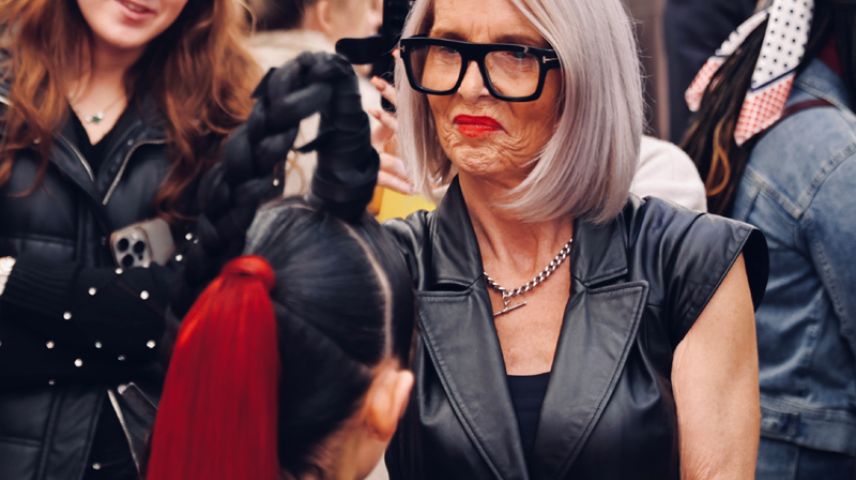
Those incredible styles and catwalk looks can cause excess shedding and hair loss. Very tight ponytails, braids, and even extensions can all damage the hair follicle leading to hair loss. This type of hair loss is called traction alopecia and is the result of persistent pulling force on the hair follicles.
Along with tight hairstyles, the way you brush, style, and dry your hair can lead to breakage and hair loss. Having a gentle approach and using products that strengthen fragile, thinning hair are the keys to reducing hair loss due to breakage.